Sugar
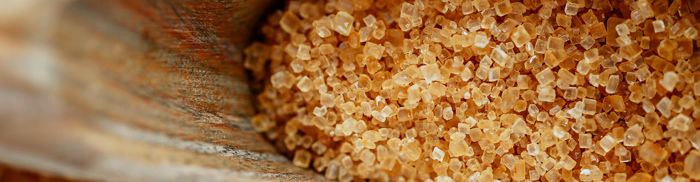
Sugar is a highly popular food and drink ingredient. Raw sugar is derived from the juice extracted from sugarcane, before being refined into other products. Bagasse, a by-product of sugar production, and ethanol also provide fuel to generate power, particularly in Brazil.
Global sugar consumption is expected to grow steadily, driven by increasing demand and changing dietary patterns. As the world’s largest producer of sugar (25% of global production) and ethanol, Brazil plays a fundamental role in the global market, with a significant portion of sugarcane used for biofuel production. As demand for biofuels and renewable energy rises, the country’s integrated sugarcane sector is expected to expand, contributing significantly to the global energy transition.
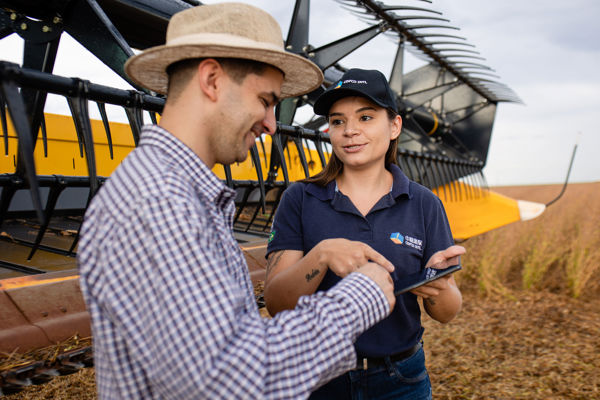
COFCO International is one of the largest sugar and ethanol producers in Brazil. We source sugarcane largely from São Paulo state, Brazil, where COFCO International manages 189,000 hectares of plantations. Our four sugar mills produce sugar and ethanol products for domestic and international markets. We also trade sugar from South Asia and Southeast Asia.
Our fully integrated logistics pipeline and transhipment terminal in Votuporanga receives raw sugar from nearby plants and mills. These products are stored in our facility before being transported to our terminal in Santos, or other third-party port terminals.
Worldwide network of trading desks
We source and supply bulk raw sugar and white sugar (crystal and refined) from our desks in the United States, Brazil, Geneva, Dubai, New Delhi, Bangkok, Shanghai and Singapore.
Our global team of traders and research and operations teams cover the major origins and destinations. The sugar marketing team has strong relationships with our major destination markets and refineries in MENA and Asia. Our in-house research team guides strategic decisions for our desks and offers market risk insights for our customers.
Promoting sugar sustainability
We maintain supply chain traceability programmes for our own sugarcane farming operations. We cultivate these plantations are on consolidated, deforestation-free land. We also take steps to improve soil health and promote biodiversity on and around our plantations, including by monitoring flora and fauna and participating in reforestation efforts. Within our sugar mills, we have innovated to improve water efficiency and optimise our use of vinasse (a natural by-product of sugar production), which we apply as a natural fertiliser in our plantations.
For the sugarcane we source from third-party producers and farmers in Brazil (processed with our own sugarcane), we monitor our direct suppliers and source from a low deforestation risk region.
See ‘Our certifications’ for information on how we leverage certification to promote sustainable sourcing.. Our crop rotation plots are certified under Module 2 of our Responsible Agriculture Standard.